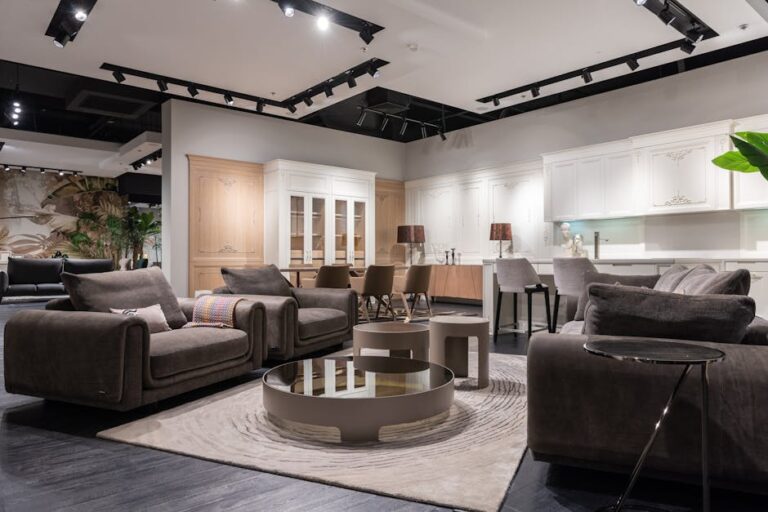


White kitchens have long been a staple in residential design, largely due to their versatile aesthetic and perceived timelessness. However, in the realm of real homes – where wear and maintenance play significant roles – this trend presents both advantages and challenges. Having worked extensively in various residential settings, I’ve observed that while the allure of a white kitchen is undeniable, the realities of upkeep and durability often tell a different story.
One of the most common observations is how certain materials hold up over time. For instance, white cabinetry can look pristine upon installation, but the choice of finish is crucial. A high-gloss or semi-gloss finish might initially dazzle, but it can also highlight scratches and fingerprints. In a busy household, these surfaces must withstand the daily wear and tear from cooking and cleaning. The durability of the finish often determines how long the kitchen retains its initially fresh appearance.
Countertops also deserve attention. While white marble offers an elegant touch, it’s worth noting that it’s prone to staining and etching, particularly in environments where acidic substances are frequently used. Alternatives such as quartz can provide the same aesthetic with added resilience, but they come with their own set of maintenance requirements. Here, the balance between beauty and practicality becomes paramount.
Functionality vs. Aesthetics
In many cases, the functionality of a kitchen can be compromised by its design. Open shelving, often seen in white kitchens, can create a charming look, yet it also invites dust accumulation and demands regular cleaning. I’ve encountered numerous homeowners who find that the effort required to maintain this style far exceeds their initial expectations. In contrast, closed cabinetry might offer a more practical solution, though it can detract from the airy feel that white kitchens typically evoke.
Long-Term Considerations
Another factor to consider is the impact of lighting. Natural light can enhance the brightness of a white kitchen, but artificial lighting may reveal imperfections in paint and materials that are not as visible in daylight. Over time, exposure to UV rays can lead to fading, especially in spaces with large windows or skylights. This gradual change can shift the kitchen’s overall ambiance, making it essential to choose materials that are UV-resistant when possible.
Ultimately, while the aesthetic appeal of a white kitchen is clear, the practical implications of living with this design require careful thought. Homeowners should be prepared for the ongoing maintenance that comes with such choices and consider how their lifestyle will impact the longevity of these installations. A well-planned white kitchen can offer both beauty and functionality, but understanding the realities of materials and wear over time is essential for achieving lasting satisfaction.