

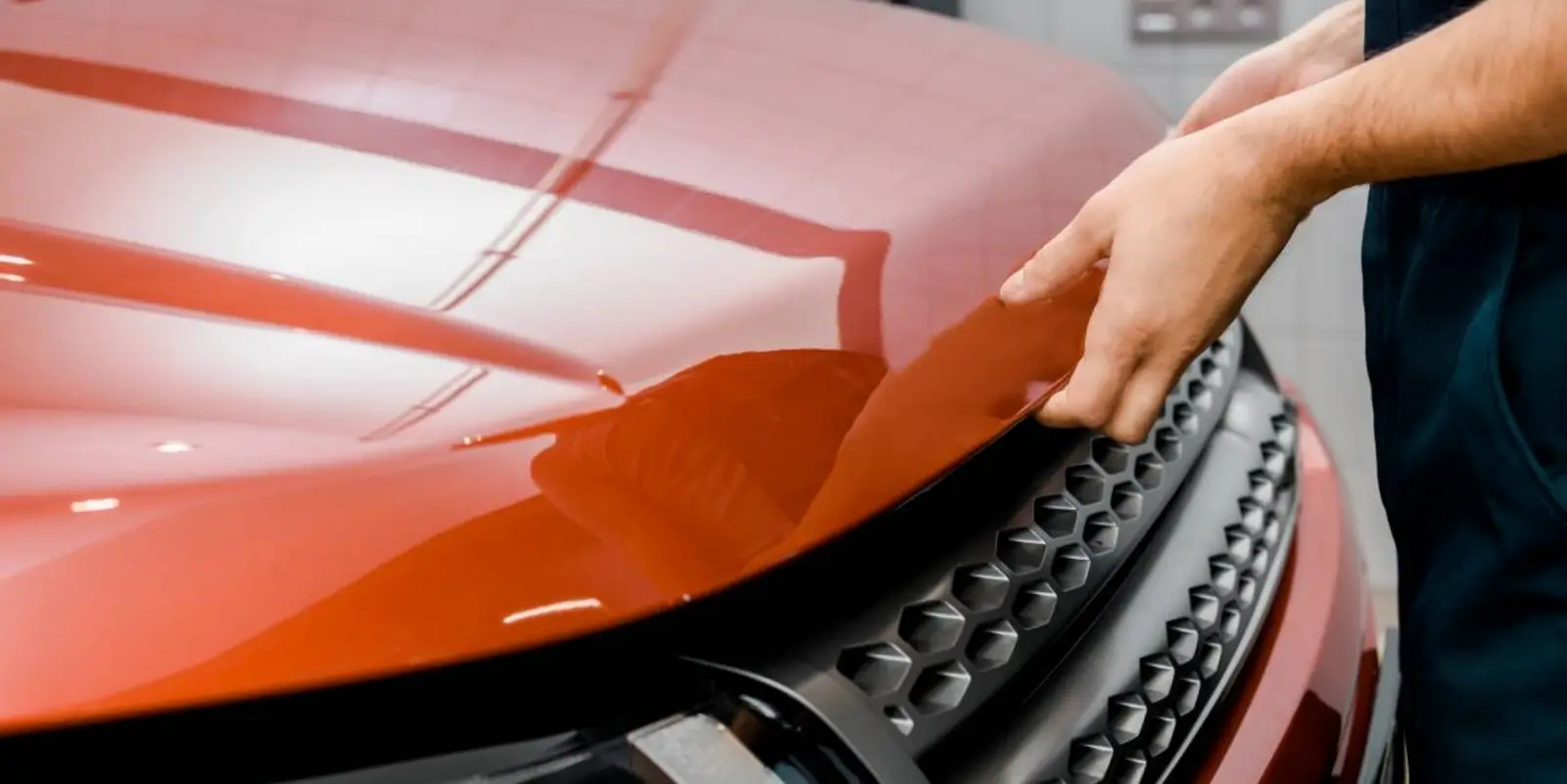

When it comes to custom body parts, hoods are some of the most popular add-ons in performance builds and showcars alike because they allow you to cut down the weight, improve the engine ventilation/aspiration and of course spice up the looks. Blacked out carbon fiber hoods like these became signature elements of many tuner builds and track-spec cars, while raised Cowl hoods became the must-have exterior upgrade of supercharged muscle cars, both classic and modern.
The aftermarket offers tons of hoods available in every material and style possible, so it’s not that hard to get lost in the sea of options. In this article we’ve gathered all the key details you need to know to choose the right hood for your car. We’ll take a look at the materials and types of the hoods and talk about the installation specifics.
Popular Hood Styles
Smooth OEM type hoods are probably some of the most simple add-ons that you’ll see in this category of body parts. They fully replicate the OEM design to serve the only function of weight reduction. being made of lighter materials like fiberglass or carbon fiber they are up to 50% lighter than the factory part. Of course, the rigidity and durability of them vary but the weight reduction benefit is unquestionable. If you need to replace a damaged Hood with an aftermarket alternative or simply like the subtle sleeper look with the benefit of a reduced weight this is your option.
Hoods with Scoops
Some of the most popular types of hoods are certainly the ram air hoods equipped with the forward facing scoops. Their main function is to Channel cold air directly into the intake of the engine which is particularly important on Vehicles with forced induction systems like turbo or superchargers.
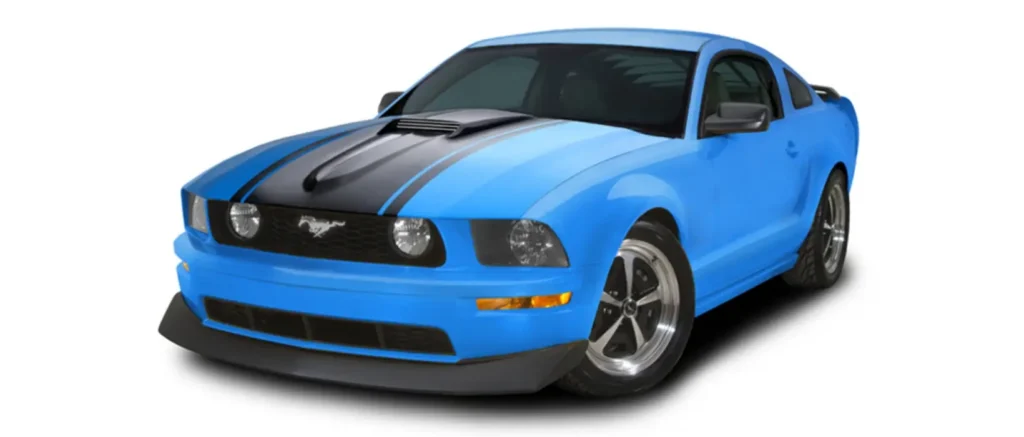
Hoods with large scoops in various configurations became popular in the muscle car era where they used to be a signature element of every performance-oriented model influencing a certain fashion. Today you can find them as original equipment on high performance cars like Dodge Challenger Hellcat, Subaru WRX, but they are much more widespread in the aftermarket applications.
Cowl Hoods
Cowl hoods are another add-on that originated from classic muscle cars of the 60s and 70s. Their signature look with a raised section at the base of the windshield is the core element of many modern custom muscle car builds. The cowl sits in the high-pressure area where air naturally flows, so it actually works for feeding cold air into the intake at speed.
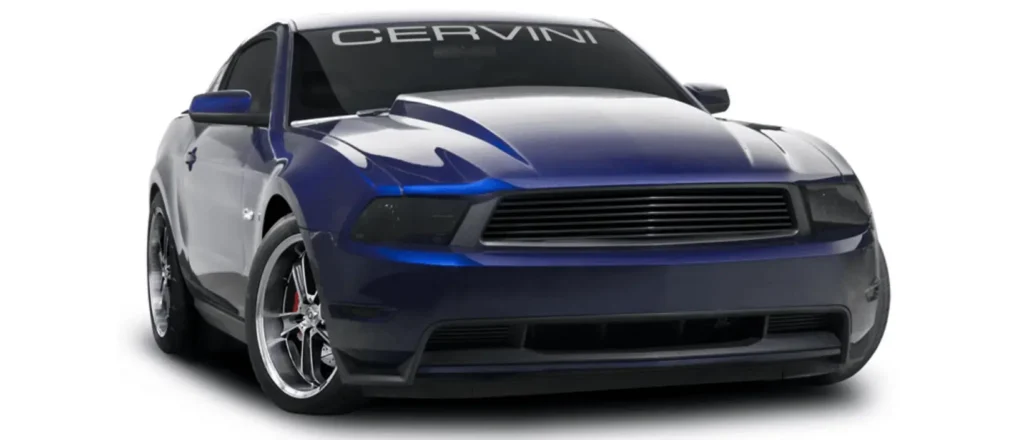
Popular on American muscle – Camaros, Chevelles, Mustangs. Adds aggressive styling without looking over-the-top ricey. The raised section provides extra clearance for taller engines and turbo or supercharger setups too.
Vented hoods
And finally the last category is the “heat extraction” or vented hoods. As the name suggests they are designed to improve the ventilation of your engine compartment and extract the hot air produced by engine components more effectively.
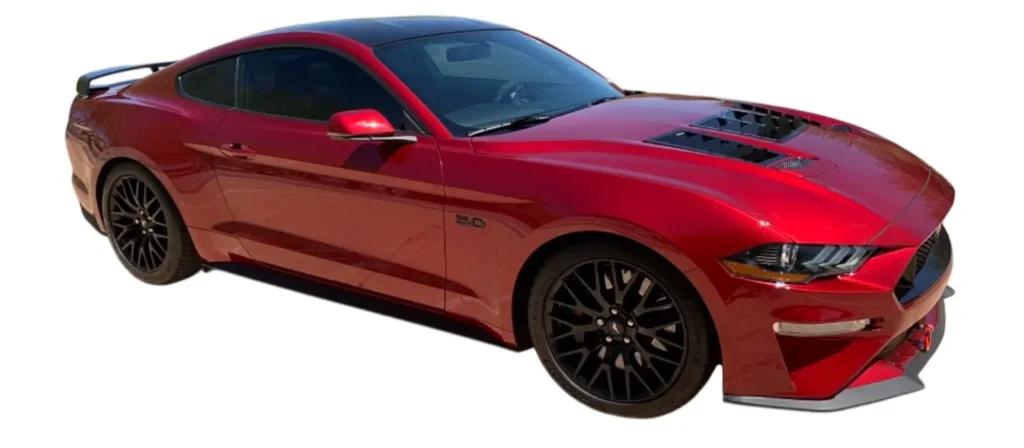
it’s usually done through strategically placed cutouts above the hottest engine elements. Such hoods can be flat like the OEM type hoods or be combined with the hood scoops or cowls.
Choosing the Right Material
Steel
Let’s start with steel, one of the common materials since the early days of cars. It’s heavy at 20-35 pounds depending on a vehicle, but sturdy, affordable and relatively easy to fix. Any dent can be easily fixed in your home garage, which is definitely not the case with other materials. Crumple zones of a steel hood though, are very different from an aluminum alternative, so if safety is your concern, think twice about choosing a steel hood.
Fiberglass
Light at 15-20 pounds, affordable at $300-800. Doesn’t rust, paint adheres well, significant weight reduction over steel. The problem is it’s brittle – so a hood made of this material can crack or chip much easier compared to metal. Fitment quality varies massively by manufacturer. Cheap eBay fiberglass options are often short and require hours of customization to be aligned properly. Premium brands like VIS Racing fit better but still need alignment work. Good for show cars that don’t see hard use or budget track builds where weight matters more than durability.
Aluminum
Middle ground which typically weighs around 10-15 pounds, costs $300-1,200. Aluminum hoods are corrosion-resistant, lighter than steel, more durable than fiberglass, but very hard to fix (if fixable at all). While mild dents can be fixed, more serious deformations are very hard to bring back to the original shape and in most cases will require a replacement. Even a very light collision can cause permanent damage.
Carbon Fiber
Being the lightest at 10-18 pounds, it’s also the most expensive material option at $600-3,000+. Best strength-to-weight ratio, distinctive weave pattern, doesn’t corrode. UV exposure degrades it without a proper clear coat, impossible to repair when cracked, and the price is pretty steep for street cars. Track cars and high-end builds justify the cost with measurable weight savings. Everyone else is paying for looks. Popular platforms like the 350Z have extensive carbon fiber options but most buyers choose cheaper materials.
What to Know Before Installing
Vehicle-specific hoods fit better than universal but still need alignment work for even gaps. Lightweight fiberglass and carbon fiber require hood pins for safety, because factory latches can pop open at speed. Budget $50-200 for pins, $300-1,000 for paint, and $200-500 for professional installation if you’re not doing it yourself. Total cost often doubles the hood price.
Match Hood to Your Goals
Materials determine weight savings and durability more than styling – carbon fiber is lightest but costs most, fiberglass cracks easily, aluminum dents, steel rusts. Quality matters more than material because cheap fiberglass fits worse and breaks faster than quality aluminum regardless of price. Factor in total cost including paint and installation, not just the hood price – that $400 hood becomes $1,200 finished. For most enthusiasts, quality fiberglass or aluminum delivers the best balance of weight savings, cost, and durability, but buy what fits your build goals and budget.