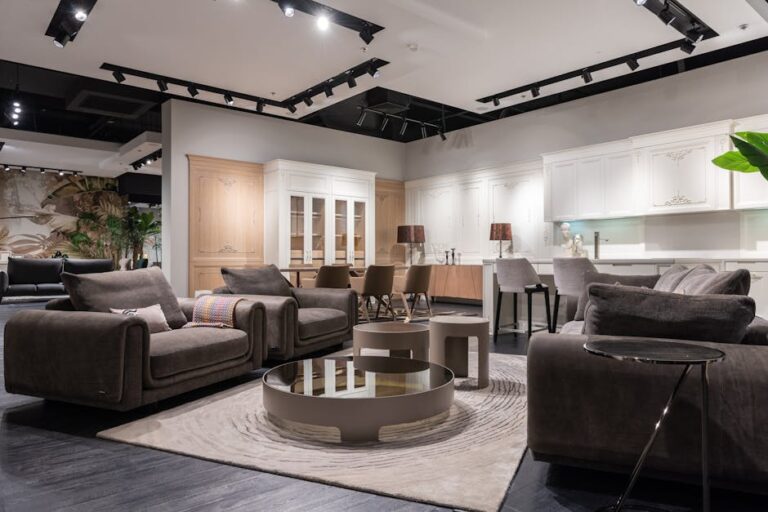


In recent years, the prevalence of earthy tones in interior design has been notable. Shades inspired by nature, such as deep greens, browns, and muted blues, have dominated spaces, creating a sense of tranquility and connection to the outdoors. However, as trends evolve, a shift appears to be on the horizon, with fresh palettes emerging that may redefine residential aesthetics.
From my experience in home environments, the choice of color can significantly impact not just the visual appeal of a space, but also its functionality and maintenance. Earthy tones, while soothing, often require careful consideration regarding their long-term durability. For instance, darker hues can show wear quickly, particularly in high-traffic areas. They may absorb heat, potentially leading to fading over time, especially in homes with large windows or significant sunlight exposure.
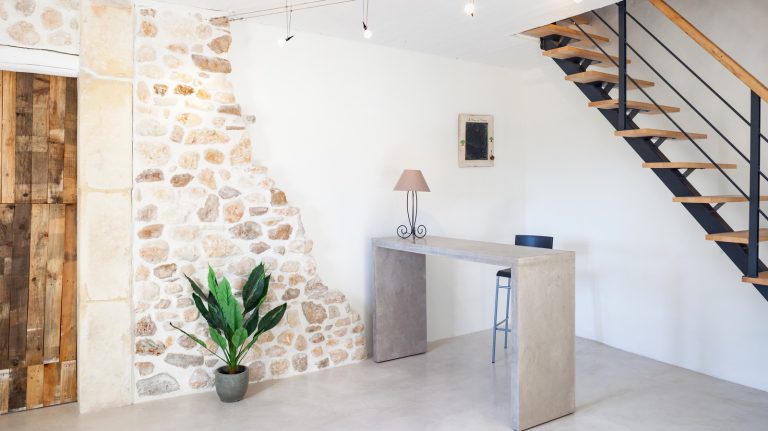
The anticipated move away from these grounded colors to a new palette could reflect a desire for more vibrant and varied environments. Lighter, brighter colors might offer not just a fresh aesthetic but also practical advantages. Lighter shades tend to reflect light more effectively, which can make rooms feel larger and more open. This can be particularly beneficial in smaller spaces or areas that lack natural light.
Color Choices and Their Impact on Wear
When considering color trends, it’s important to think about how different shades will hold up in real-world conditions. For example, while a bright white may seem appealing for its modern look, it can quickly show dirt and scuff marks, especially in homes with children or pets. On the other hand, deeper colors might hide imperfections but can also lead to a feeling of confinement if overused.
Another factor to observe is the psychological impact of color. Homes are more than just physical spaces; they influence mood and behavior. The current shift may be a response not only to aesthetic preferences but also to the evolving needs of families seeking comfort and inspiration in their living environments. The right color can enhance a space, making it feel more inviting and less sterile.
Practical Considerations for Homeowners
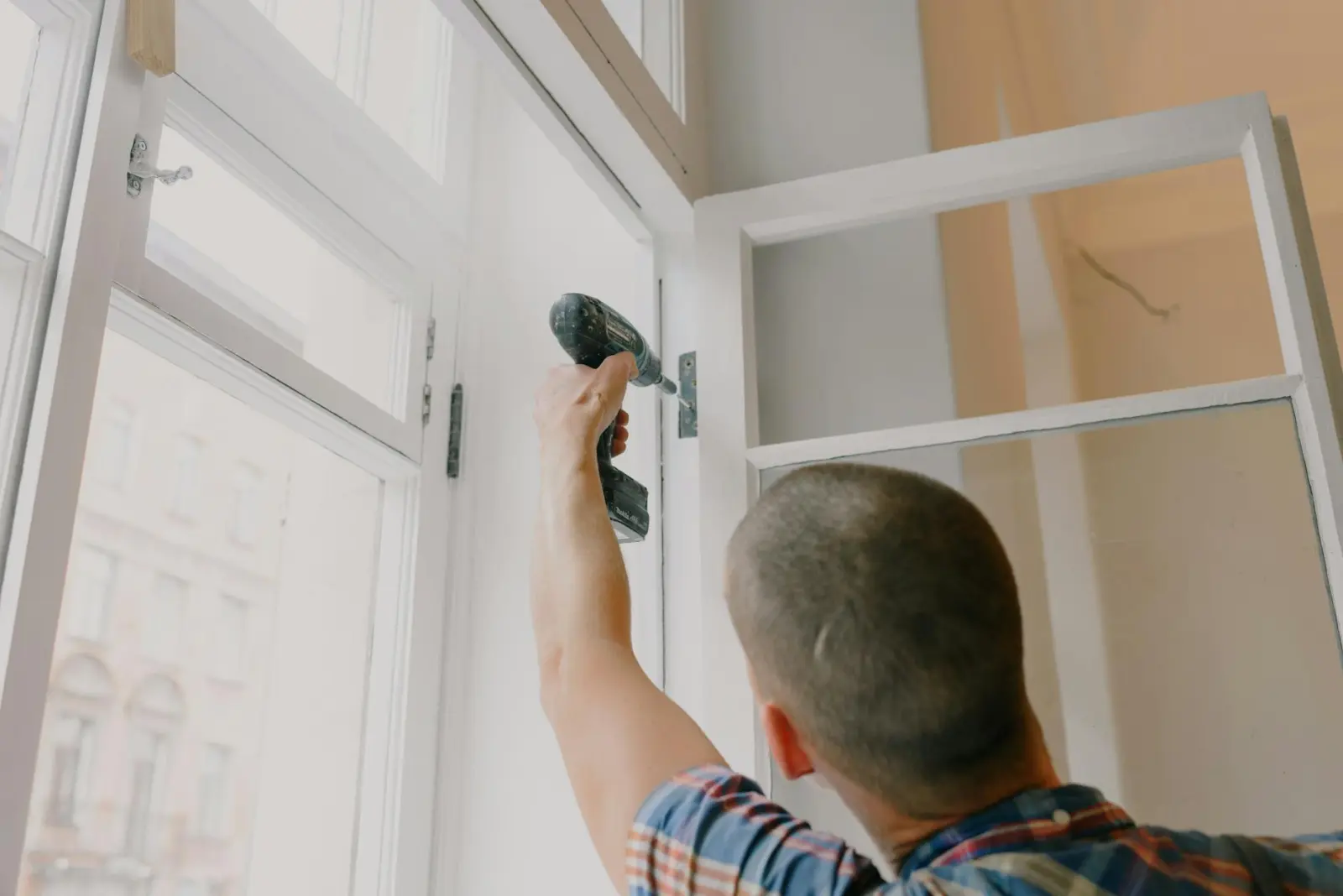
<pAs homeowners consider these emerging trends, it’s wise to think about the long-term implications of their choices. Paint quality, for instance, plays a crucial role in how colors age. Higher-quality paints may resist fading better and withstand the wear that comes from daily life. Additionally, the application process – such as proper surface preparation – can directly affect how well a color holds up over time.
In summary, while the aesthetics of color trends are worth noting, the practical realities of living with those choices cannot be overlooked. As new palettes take center stage, it will be interesting to see how they perform in the wear and tear of everyday life, and whether they can sustain their appeal in the long run.