
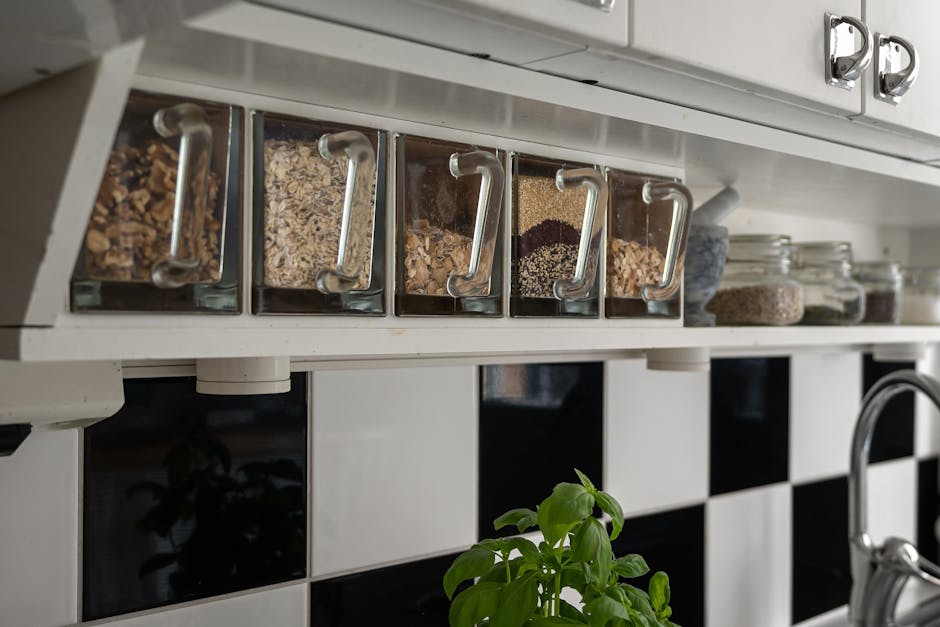

As we move into 2026, a noticeable shift is occurring in the kitchens of many homes. This shift leans towards enhancing functionality while maintaining a sense of order. From my years of hands-on experience with various residential environments, it’s clear that homeowners are increasingly seeking smarter storage solutions. These aren’t just about aesthetics; they aim to streamline meal preparation and organization in practical ways.
One of the most common challenges I have observed in kitchens is the inefficiency of existing storage systems. Many homes still rely on outdated designs that fail to adapt to the dynamic needs of a family. For instance, deep cabinets often lead to items being forgotten at the back, creating frustration during busy meal prep times. In contrast, the new trend emphasizes accessible storage that allows for easy visibility and reach, reducing the time spent searching for ingredients or tools.
Another issue that frequently arises is the organization of cooking spaces. Over time, I’ve noticed that clutter can accumulate quickly, especially in areas where multiple appliances are used. This can create a chaotic environment that detracts from the cooking experience. The push for designated cooking zones, equipped with specific tools and equipment, helps to mitigate this problem. By creating functional areas tailored for specific tasks, homeowners can enhance their efficiency and enjoyment in the kitchen.
Adapting to Real-World Conditions
Real-world conditions often dictate the success of these organizational strategies. For instance, kitchens that experience high humidity or heat can see wear on materials and finishes, which can lead to deterioration over time. Proper ventilation and the selection of durable materials play a crucial role in maintaining the integrity of these spaces. Homeowners should consider how temperature fluctuations and moisture can affect their kitchen setup and choose solutions that are both functional and resilient.
Moreover, the trend towards multifunctional spaces has gained traction. In many homes, kitchens serve as gathering places, homework spots, and even remote work areas. This multifaceted use can lead to wear and tear on surfaces and storage solutions that weren’t designed for such diverse activities. Observing how these spaces are used can inform better design choices, ensuring that every element contributes to both order and functionality.
As we look ahead, it’s evident that the desire for a more organized and efficient kitchen is not just a passing trend. It reflects a deeper understanding of how our living spaces impact our daily lives. By addressing common issues and adapting to the realities of wear over time, homeowners can create kitchens that not only look good but also work effectively for their needs.