
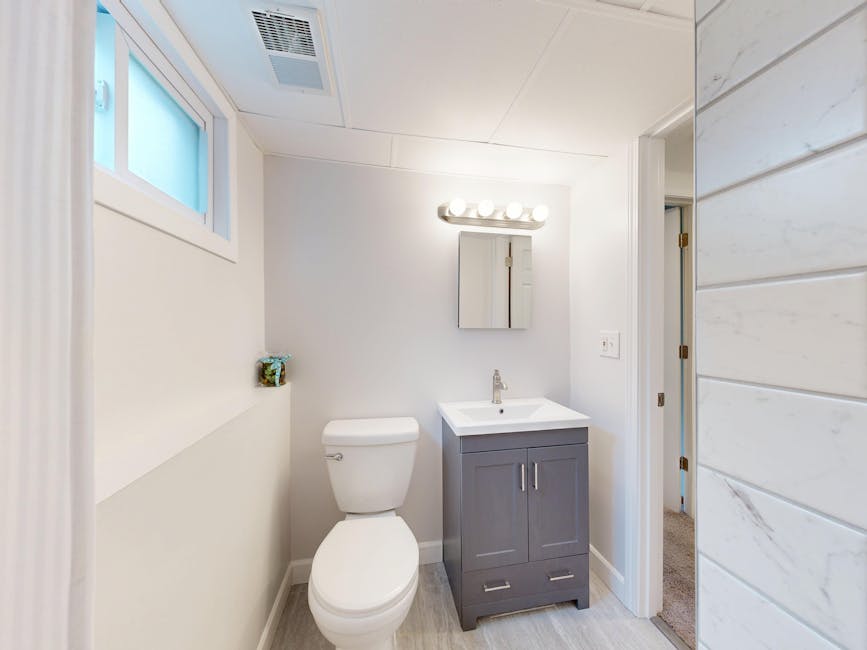

Small bathrooms often present a unique set of challenges that can be frustrating for homeowners. The constraints of space demand careful planning and often lead to compromises in functionality and comfort. Over the years, I’ve encountered a variety of layouts in residential settings, each with its own quirks and potential pitfalls.
One of the most common issues is the placement of fixtures. In cramped bathrooms, it’s not unusual to see sinks, toilets, and showers crammed together, leaving minimal room for movement. This can lead to wear on plumbing connections, especially in scenarios where fixtures are installed too close together. For example, a toilet too near a wall can cause difficulty when servicing the plumbing, leading to leaks or the need for premature replacements.
Another frequent observation is the tendency for small bathrooms to have inadequate ventilation. Without proper airflow, moisture can accumulate, fostering mold growth around fixtures and in corners. This is particularly problematic in areas where steam from showers or baths can linger, damaging walls and ceilings over time. I’ve seen cases where homeowners invest in beautiful tiles only to watch them deteriorate due to a lack of ventilation, a problem that could have been avoided with a simple exhaust fan installation.
Storage is often a critical concern in small bathrooms. Many homeowners try to maximize space with cabinets or shelves, but these can sometimes obstruct movement or accessibility. Additionally, the choice of materials can impact the longevity of these storage solutions. I’ve noted that cheaper, lighter materials may warp or sag under the weight of toiletries over time, leading to a need for replacement sooner than expected.
Lighting is another factor that can significantly affect how a small bathroom feels and functions. Poorly placed or insufficient lighting can make a space feel even tighter. In my experience, many homeowners overlook the importance of layered lighting, which can create an illusion of space and enhance usability. A well-lit bathroom is not just about aesthetics; it can also help in identifying maintenance issues before they escalate.
Ultimately, the reality of small bathrooms is that they require a balance between aesthetics and practicality. Homeowners must often make difficult choices regarding fixtures, layout, and materials. Understanding how these elements interact over time is key to maintaining a functional and inviting space. While there are many beautiful design ideas available, it’s essential to consider the everyday realities that come with living in a small bathroom.